



How to run a profitable food truck at a campsite: 7 steps
A campsite is one of the most underrated pitches for a food truck: a captive audience from April to October, hardly any competition and far lower pitch fees than a festival. But it only becomes profitable with the right agreements and an honest calculation. Here's how to approach it.
1. Research the campsite and its guests
Visit the campsite before you agree to anything. Look at who’s staying there: families with young children, active cyclists or long-stay seasonal guests? Ask the owner about occupancy per month and peak weeks. A site with 300 pitches at 80% occupancy in July is a completely different business from a quiet nature campsite with 60 spots.
Also check what’s already there. If the campsite has a restaurant or snack bar, you’ll be competing with it — so aim for a gap: breakfast, fresh pizza, coffee. If there’s nothing, you’re the only food option on site, and that’s the strongest starting position there is.

2. Agree the financials with the campsite owner
This is where your food truck becomes profitable — or doesn’t. The usual models: a fixed pitch fee, a percentage of revenue, or a combination. For comparison: festivals easily charge €300 to €500 per day in pitch fees, or 30 to 60% of your takings. A campsite almost always sits well below that — especially if you’re the first food offer on site, because you’re adding value for the owner too: a service for their guests without them investing a cent.
Also agree on: opening days and hours, contract length (full season or per month), exclusivity (will other trucks be allowed in?) and what happens in a washout summer. And ask about joint promotion: a mention on the campsite’s website, in the welcome email and at reception costs nothing and brings customers from day one.
3. Sort out the right permits (fewer than you think)
Good news: a campsite is private land. In most European countries, street trading licences apply to public roads and public spaces — trading on private land with the landowner’s permission usually doesn’t require one. Rules differ per country and per municipality though, so always check with the local authority where the campsite is located.
What you do always need: a business registration, registration as a food business with your local food authority, and a food safety system based on HACCP — that applies across the EU and the UK. Want to serve alcohol? Licensing rules vary strongly per country, so check the local requirements early: applications can take a couple of months.
4. Choose the right food trailer
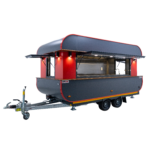
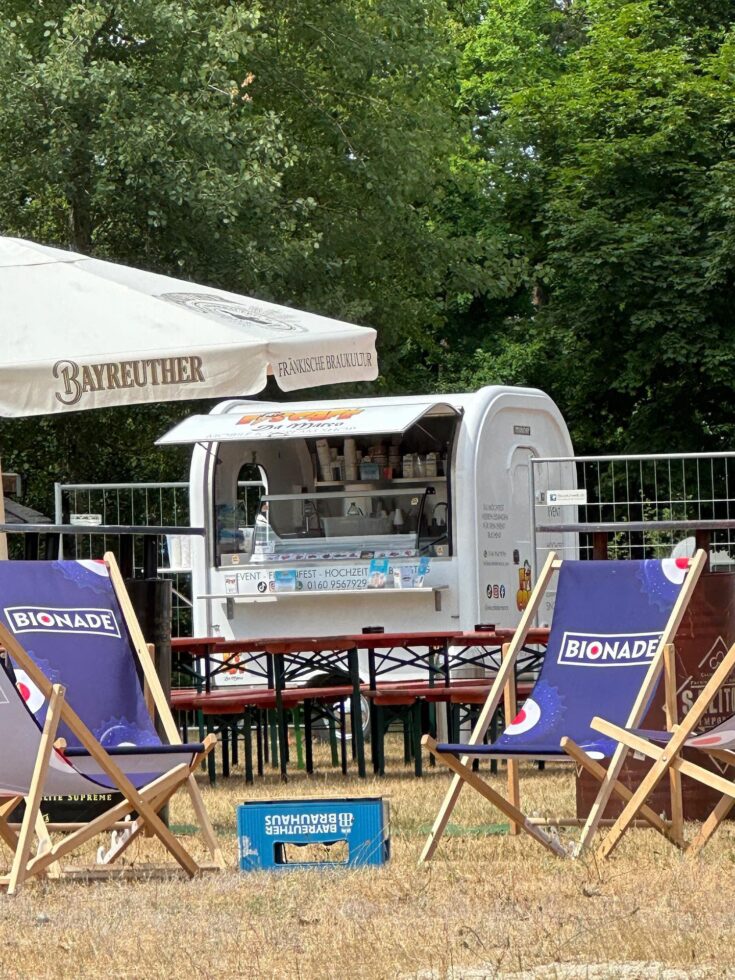
For a campsite your trailer doesn’t need to be big — it needs to be complete. A compact Multiwagon Eco food trailer (in the UK often called a catering trailer) fits almost any pitch and you can tow it yourself, which is handy if you combine several locations. Base your equipment on your menu: pizza oven, fryer, refrigeration or a coffee machine.
Buy or lease? Buying is cheaper in the long run; leasing keeps your initial investment low — exactly what you want if you first want to test a season on one campsite. A new food trailer starts at €9,450, and from stock you can be trading before this season is over.
5. Build a campsite-focused menu
Campsite guests want something different from festival crowds: affordable, familiar and suitable for the whole family. Work with a short menu: a snack for in between, a proper evening meal and a kid-friendly option. Local produce works well and gives you a story.
Think in eating moments. The evening rush is your core, but fresh bread and coffee in the morning is a second revenue moment almost nobody claims. Adjust your offer to the season: ice cream and cold drinks in summer, soup and hot dishes in spring and autumn. Theme nights (pizza Friday, BBQ Saturday) give guests a reason to come back.
6. Pick the best spot on the grounds
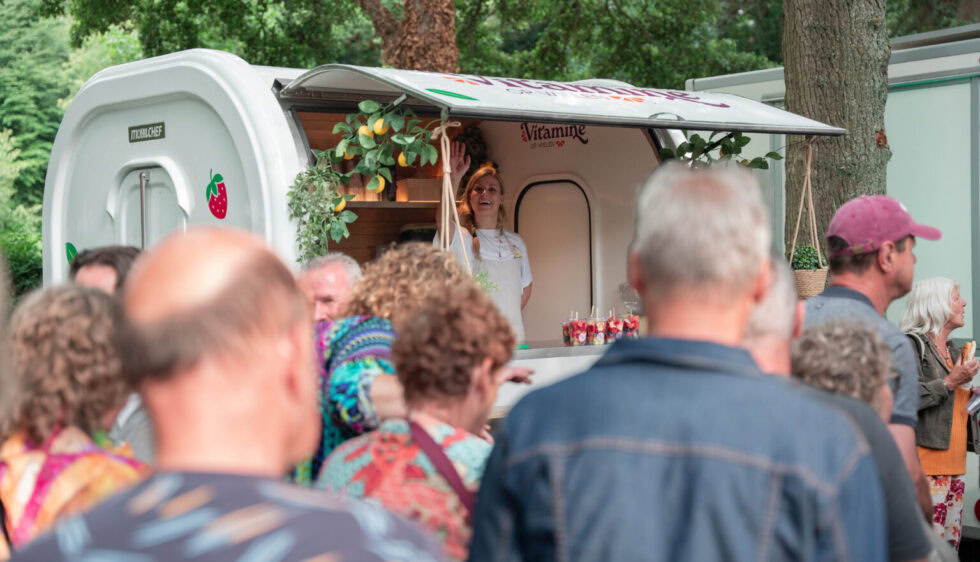
Your spot on the campsite itself drives a large part of your revenue. Find the walking routes: near reception, the pool, the playground or the path to the washrooms. Guests coming back from the beach or a bike ride need to see your trailer — and smell it.
Check the practical side: is there a power connection with enough capacity, clean water and drainage? Without those three you won’t run smoothly. Include this in your agreement with the owner (step 2).
7. Optimise your setup and workflow
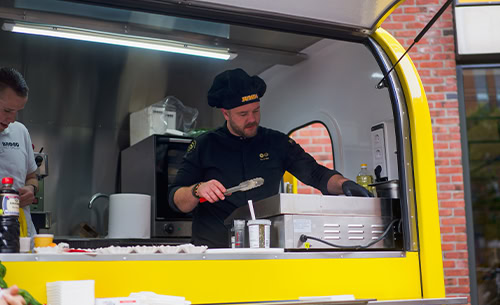
Being profitable also means selling more in the same peak hours. Set up your trailer so your most-used equipment and ingredients are within reach. Prep during quiet hours — chopping, portioning, sauces — so during the evening rush you only finish and serve.
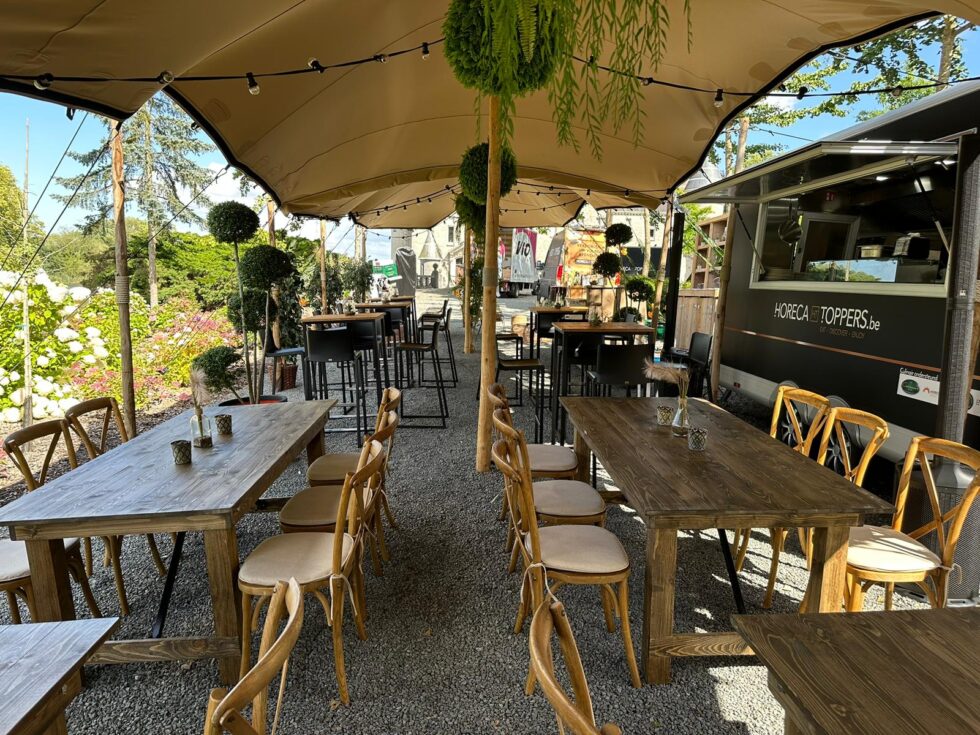
Think about the outside too: a clear queue, a separate pick-up point and a few tables and chairs. Guests who sit down order a second drink more often.
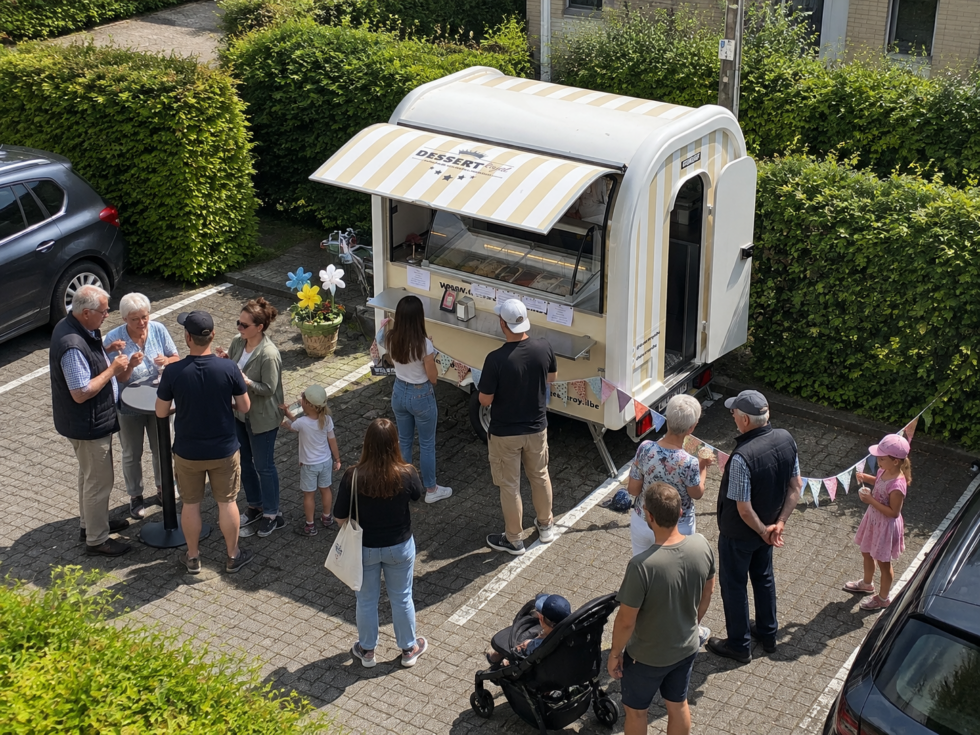
Worked example: when is a food truck at a campsite profitable?
An indicative calculation for a mid-sized campsite in high season:
| Item | Indication |
|---|---|
| Guests on site | 250 |
| Share who buy from you | 20–30% |
| Average spend | €12 |
| Daily revenue | €600–€900 |
| Cost of goods (±33%) | −€200 to −€300 |
| Campsite share (depends on your deal) | −€60 to −€135 |
| Gross margin per day | ±€340–€465 |
Your fixed costs still come out of that: insurance, permits, maintenance and depreciation or your lease payment — count on roughly €1,200 to €2,000 per month. At 22 trading days a month, that’s €55 to €90 per day. The rest is yours. Rule of thumb: know the minimum daily revenue you need before you sign a deal, and run the numbers for a bad-weather week too.
How to bridge the low season
The campsite season roughly runs from April to September; your costs run twelve months. Profitable food truck owners combine: the campsite as a stable base in season, topped up with corporate catering, weddings and events in the shoulder months. In winter your trailer goes into storage — schedule maintenance then, not in May.
How do you find campsites open to a food truck?
Call or email campsites (in the US: campgrounds) in your region and explain what you add: food for their guests without them investing in a kitchen or staff. Sites without their own food and drink offer are your best bet. Visiting in person with photos of your trailer and your menu beats any email.
Own a campsite? Turn it around
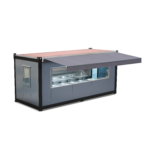
More and more campsite owners place their own food trailer or catering container: a full food outlet without a restaurant investment and without permanent kitchen staff. Rent it out to an operator, or run it with your own team in high season.
How Multiwagon helps
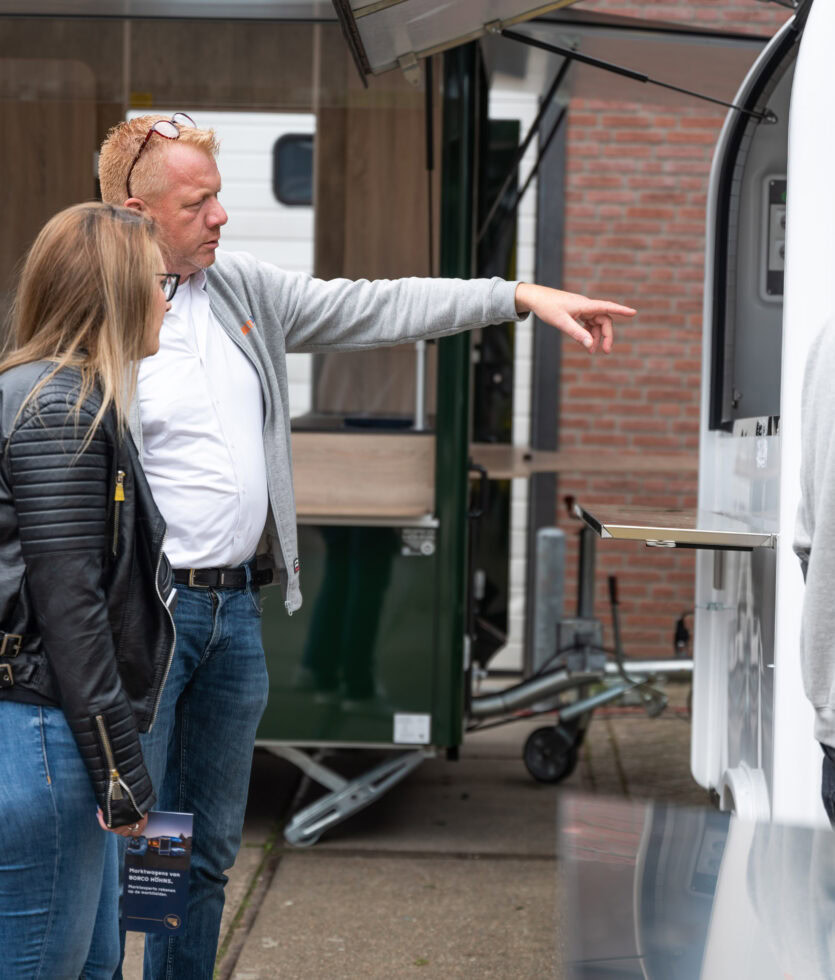
Multiwagon builds around 600 food trucks and trailers a year for entrepreneurs across Europe — from compact entry models to full custom builds. More than 5,000 customers went before you and rate us 9.2. Not sure about size, equipment or buying versus leasing? Book a free consultation or visit one of our Experience Centers in Holten (NL), Hannover (DE), Valencia (ES) or Cazères-sur-l’Adour (FR). Check what’s available from stock, or work out your monthly payment with the lease calculator.
Frequently asked questions
How do I attract campsite guests to my food truck?
Visibility, smell and routine. Trade on a walking route, get the campsite to feature you on their website and welcome information, and run fixed theme nights so guests know when to find you.
How long is the campsite season?
The main season runs from April to September, with July and August as the peak. Year-round campsites offer extra opportunities in the shoulder seasons — just adjust your menu.
Can I use my food truck at several campsites?
Yes. You tow a trailer yourself, so you can trade at one campsite during the week and another location at the weekend. That spreads your risk and lets you catch multiple peak moments.
How much does a food truck make at a campsite?
As an indication: on a mid-sized campsite in high season, €600 to €900 in daily revenue is achievable. What you keep depends on your cost of goods, your deal with the campsite and your fixed costs — so always do the calculation first.
What does a campsite pitch cost?
That’s what you agree with the owner: a fixed fee, a revenue share or a combination. In almost every case you’ll pay less than at festivals, where €300 to €500 per day or 30 to 60% of revenue is common.
Do I need a street trading licence for a food truck at a campsite?
Usually not: a campsite is private land, and street trading licences generally apply to public roads and spaces. Always check local rules though, as they differ per country and municipality. Registering as a food business and working with a HACCP-based food safety system is always required.
Ready to start your food truck?
Discover our models and let us help you choose the right one for your concept.
Discover our most popular concepts

Coffee
Coffee is a language in itself!

Bar
From zero to happy hour, anywhere.

Kitchen
Cook, serve, and satisfy – your kitchen on wheels!
Step inside our Experience Center
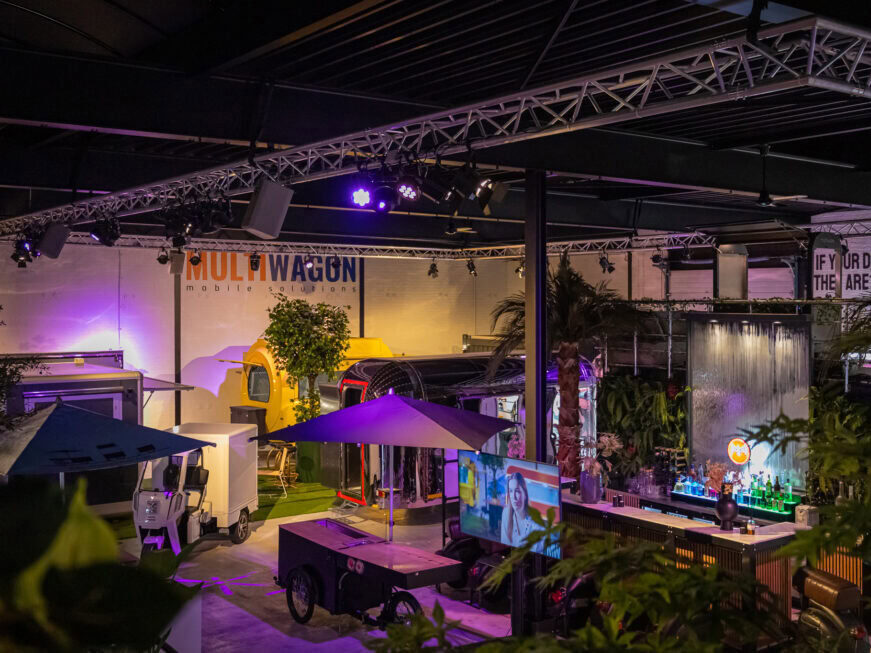
Step inside our showroom and explore our trailers and concepts up close. See the different models, check out the layouts, and experience the quality and versatility firsthand. Want a guided tour or to speak with one of our experts while you explore? Book your visit and discover your perfect trailer in person!
Find your nearest Experience Center
Online consultation
Experience our trailers and concepts firsthand, without leaving your home! During a live online session, one of our experts will show you the models in real time using a smartphone or tablet. You can see inside each trailer, explore the layouts, and get a close-up look at the quality and features as if you were there in person. Get personalized advice and answers to all your questions — all from the comfort of your own home!
Request an online consultation